

Vessel Chartering
We arrange tanker chartering across the full size spectrum — MR, LR, Aframax, and VLCC — negotiating freight terms and coordinating port agency services to keep cargo moving on schedule.
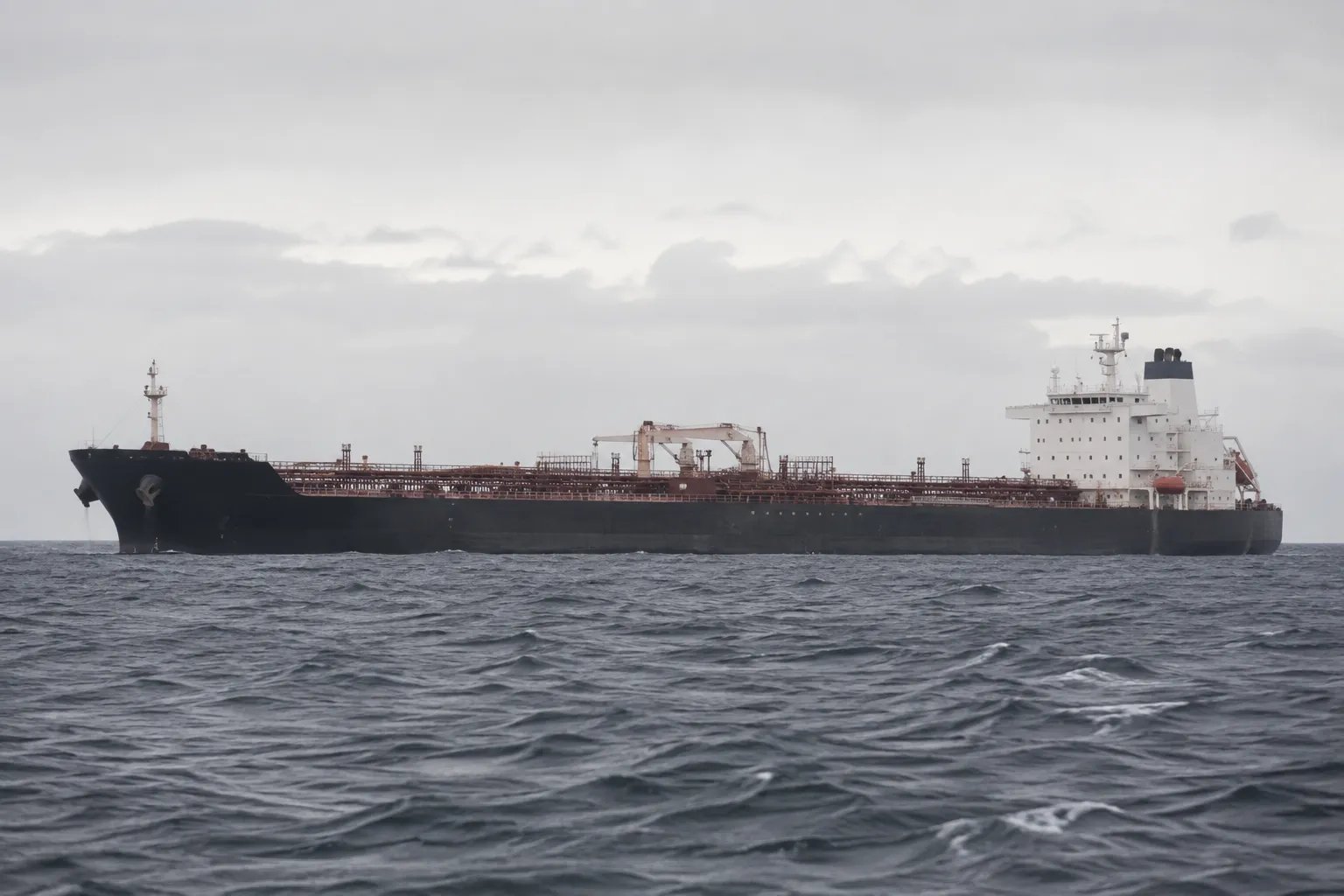
Tanker size class is the first constraint on any charter: an MR (Medium Range, roughly 25,000–55,000 DWT) suits regional refined-product moves and can call at ports a VLCC (Very Large Crude Carrier, up to around 320,000 DWT) could never enter, while LR and Aframax classes fill the range in between for longer-haul refined product and mid-size crude cargoes. Matching cargo volume and route to the right class is what keeps freight cost proportional to the parcel rather than paying VLCC-scale freight for an MR-scale lift.
Once a suitable vessel is identified, the charter party agreement sets out laycan (the window in which loading must begin), laytime (how long loading and discharge are allowed to take before demurrage charges apply), and the freight rate itself — all of which get negotiated against prevailing market rates for that vessel class and route. Port agency coordination then handles the practical side: berth scheduling, customs and immigration formalities, and liaison with terminal operators so the vessel isn't waiting on paperwork once it's alongside.
Vessel Sourcing
Identify suitable tonnage across MR/LR/Aframax/VLCC classes for the cargo profile.
Charter Party Negotiation
Negotiate charter party terms, laycan, and freight rate on behalf of the client.
Port Agency Coordination
Coordinate berthing, documentation, and agency services at load and discharge ports.
Voyage Execution
Monitor voyage progress through to safe discharge and final settlement.
- Tanker chartering (MR/LR/Aframax/VLCC)
- Charter party agreements
- Freight rate negotiation
- Port agency coordination
- Access to a broad owner and broker network
- Experienced freight negotiation
- Reduced port turnaround delays
- Single point of coordination for voyage execution